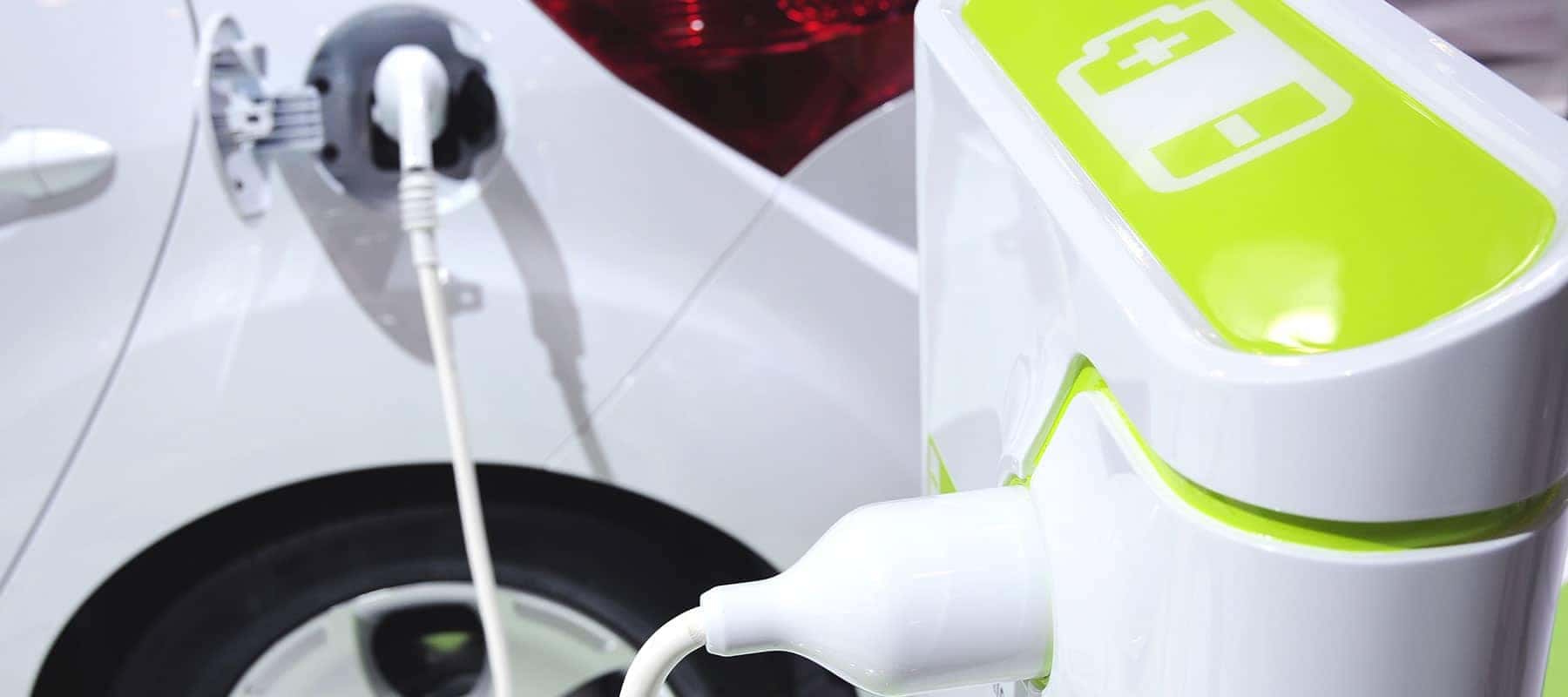
Have you considered purchasing a hybrid or plug-in hybrid vehicle and thought to yourself, what is the difference? Which one will benefit me more? The most significant differences between full hybrid and plug-in hybrid cars are the size, cost, and purpose of their electric batteries. Also, a plug-in hybrid’s electric battery can be recharged at home or at a public charging station. A full hybrid car recharges its electric battery using its gas-powered engine. But what does that mean in day-to-day driving? Keep reading to have all your questions answered.
An HEV mild hybrid vehicle has an electric motor and dedicated battery to support it. But the hybrid part is only used to power systems like stereo, heating, and air conditioning. When it comes to driving, the most it does is give the gas-powered engine a brief boost when you’re accelerating from a complete stop. Ram created eTorque, a “mild hybrid” system that is a more straightforward and much less expensive technology. Ram’s eTorque system is a belt-driven motor-generator unit that replaces the conventional alternator on the engine. The motor-generator unit delivers a 48-volt current to a 430-watt-hour lithium-ion nickel manganese cobalt-graphite battery whenever the engine runs. This enables it to power the vehicle’s accessories and charges its conventional 12-volt lead-acid battery.
HEV full hybrid cars work like electric cars at slower speeds and gas-powered vehicles at higher speeds. In some full hybrid models, the electric motor and ICE work independently and hand off control to each other. In other full hybrid models, they can work together to deliver extra power. Hybrid Vehicles cannot be plugged in to recharge their battery packs. HEVs provide substantially better fuel economy than their nonhybrid, gas-engine counterparts in stop-and-go city driving because they can recapture energy while braking. However, hybrids do not tend to get substantially improved mileage during steady highway cruising.
Plug-In Hybrid vehicles take the hybrid technology one step further by adding larger batteries to their hybrids. With plug-in hybrid vehicles, you can plug them into a 120-volt household outlet or a 240-volt power source to recharge their electric battery. Recharge times for a typical plug-in hybrid such as the Jeep Grand Cherokee 4xe, rated at 25 electric-only miles, take about 12 hours to charge using a 120-volt household current and about two hours on a 240-volt charger. In addition, with Jeeps, 4xe powertrain drivers can explore in near silent EV performance and hear the beautiful sounds of nature.
If you would like to test drive and compare a PHEV, HEV Mild Hybrid, or a Hybrid, head to Campbell Chrysler Dodge Jeep RAM, where we have the Ram 1500 with eTorque, Chrysler Pacifica Hybrid, or perhaps you want to go with a Jeep PHEV like the Wrangler 4xe, well we have them all. Our goal is to make your dealership experience as smooth as possible from the moment you set foot in our showroom to the moment when you drive off our lot in your dream car. So, whether you’re hunting for a PHEV, HEV Mild Hybrid, or a Hybrid, we can help you find the perfect fit and set you up to test drive the Chrysler, Jeep, and Ram models that best suit your needs.